
What is herringbone flooring?
Herringbone is a pattern of rectangular blocks with straight ends, laid in a staggered zigzag. Each block sits at a right angle to its neighbour, and together they make a run of V shapes across the floor.
The pattern explained: how it is built, the block shapes and how it compares with plank.
Free and no obligation. Your request goes to one fitter in your county, not a list.
- 90°between neighbouring blocks
- 45° or 90°to the room's main axis
- 70 × 280 mma usual domestic block
- 1 : 4length to width in that block
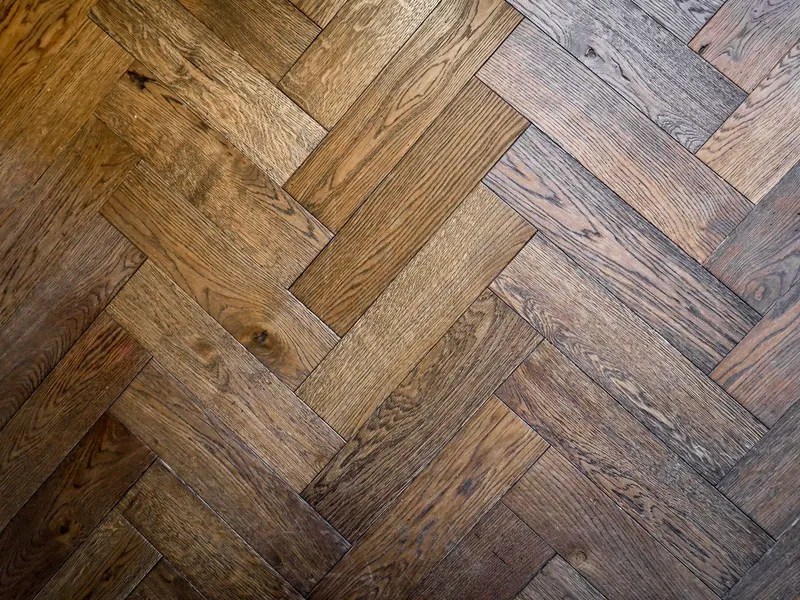
How the pattern is built
Take a block. Lay the next one against its side at a right angle, with its end butted to the first block's long edge. Repeat in alternate directions and the zigzag appears. The ends are cut straight, and each block's end meets the side of another, not its end.
Because the ends are square, the pattern needs a little cutting at the walls, where the blocks are trimmed at an angle. That is why it creates more waste than plank.
Price your herringbone floor
Three taps and the price shows as you go. Your name and number come last, and only if you want a fitter to price it.
A herringbone floor, material still to pick, 20 to 40 m², supplied and fitted: Priced on a visit.
How the price is worked out
The figure is what Irish sellers and fitters charge a square metre, times the area you pick. Engineered wood is the supplied-and-fitted range. Laminate and vinyl add fitting at plank rates, so herringbone adds to them. Tile is the tile only. Where nobody publishes a figure, it reads priced on a visit. Use it to plan with. It isn't a quote: a fitter prices yours after seeing the floor.
What the blocks look like
Lengths run four to six times the width. A longer, narrower block gives a finer, more stretched pattern. A shorter one reads bolder. Block sizes, material by material.
Where it is used
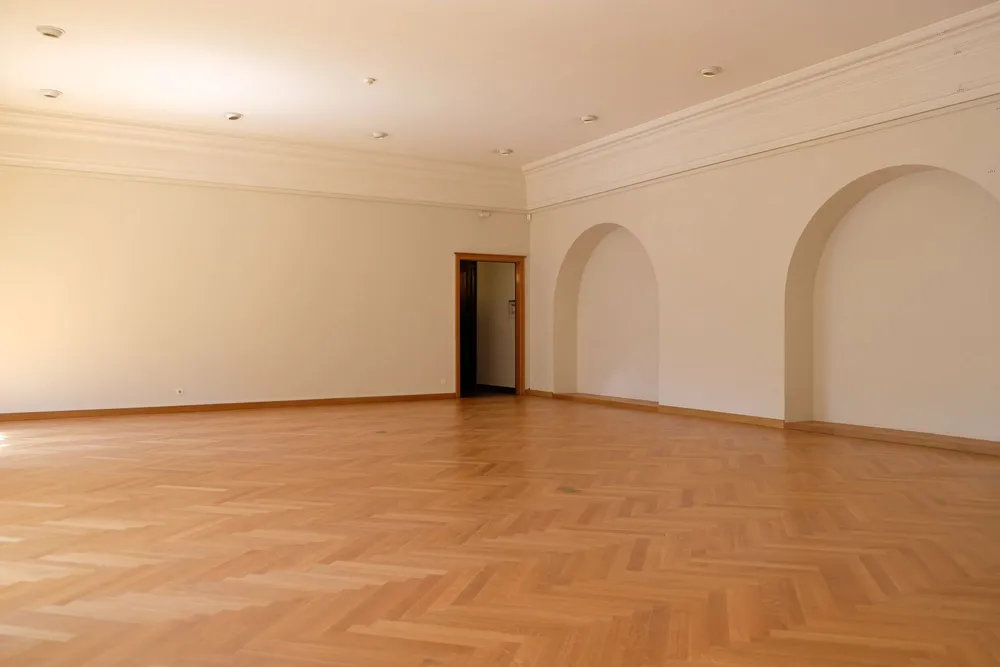
Herringbone was once the mark of a large house, seen in manors and expensive rooms, and parquet is now far more affordable. Fitters describe hallways as one of the places it works best. It is laid in engineered wood, solid oak, laminate, vinyl and tile, and each has its own page on this site.
Herringbone, chevron and plank
Herringbone
- Block ends
- Straight
- Waste
- 10 to 20% extra
- Time for 30 m²
- Two to four days
- Fitting
- €25 to €40 a m² more
Straight plank
- Block ends
- Straight, in a line
- Waste
- 5 to 10% extra
- Time for 30 m²
- One to two days
- Fitting
- The base rate
Chevron is the cousin with angled ends: herringbone or chevron.
Other floors to look at
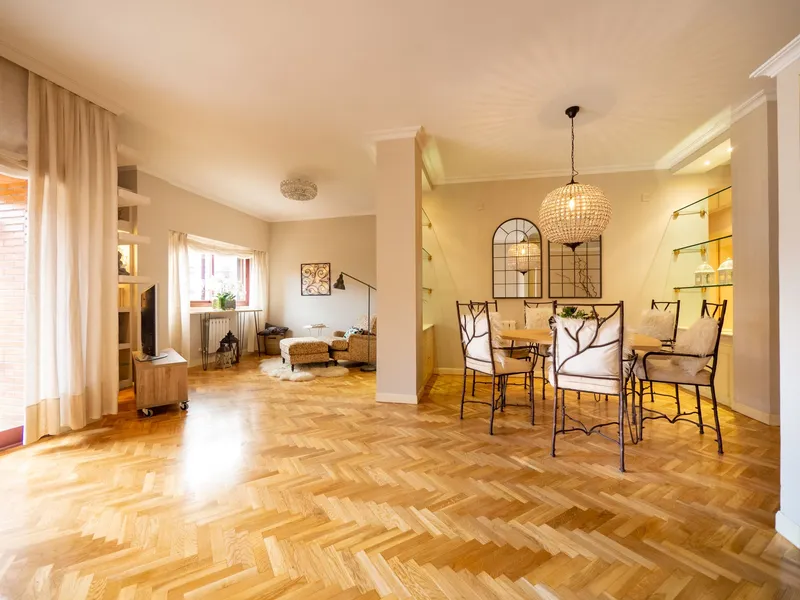 Engineered woodA real oak top layer on a stable core. Supplied and fitted, €95 to €130 a m².
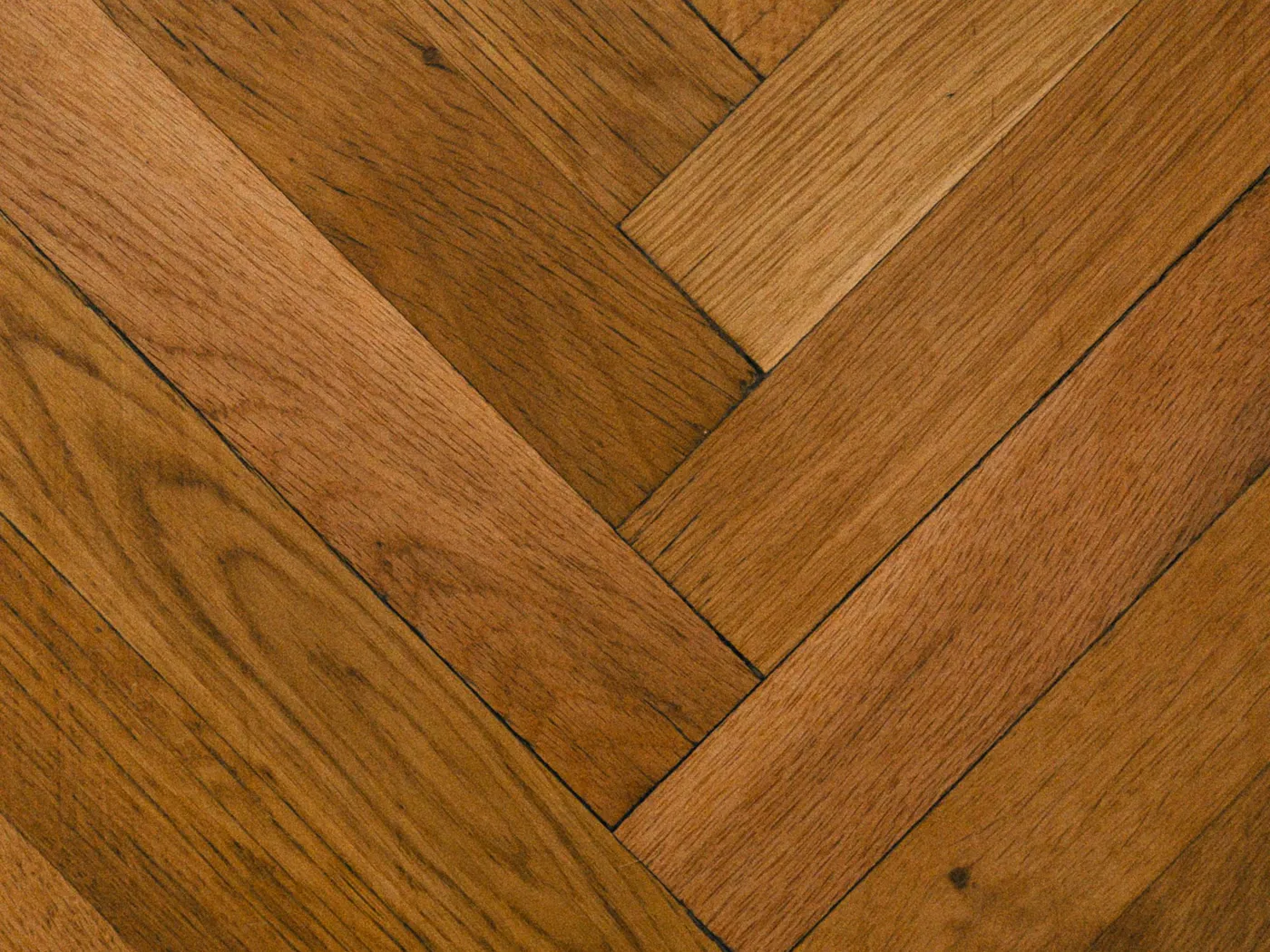 Oak herringboneSolid oak blocks, €39 to €168 a m² unfinished before fitting.
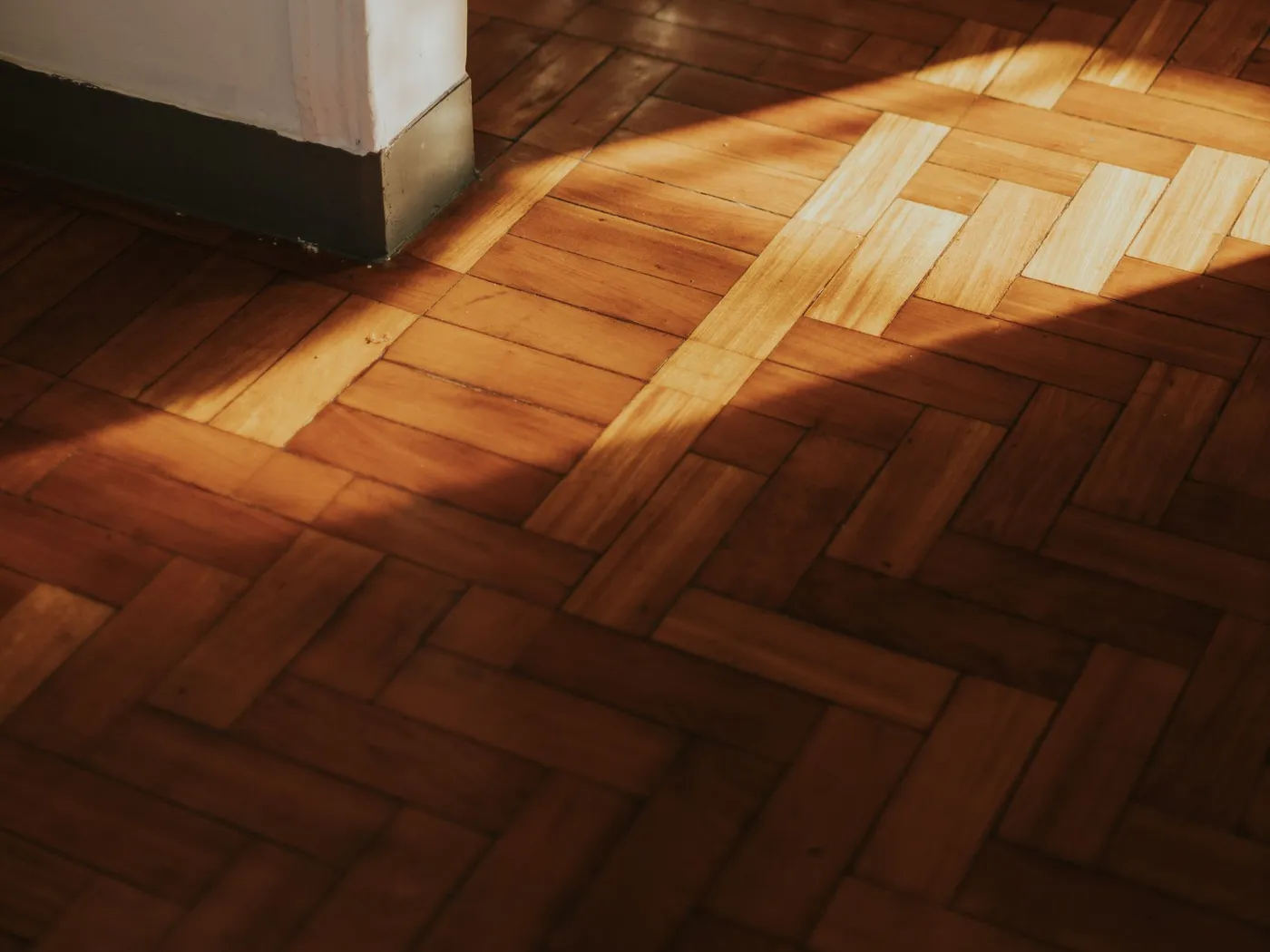 ParquetBlocks laid in a pattern, sanded and finished on site. Herringbone is the one people ask for.
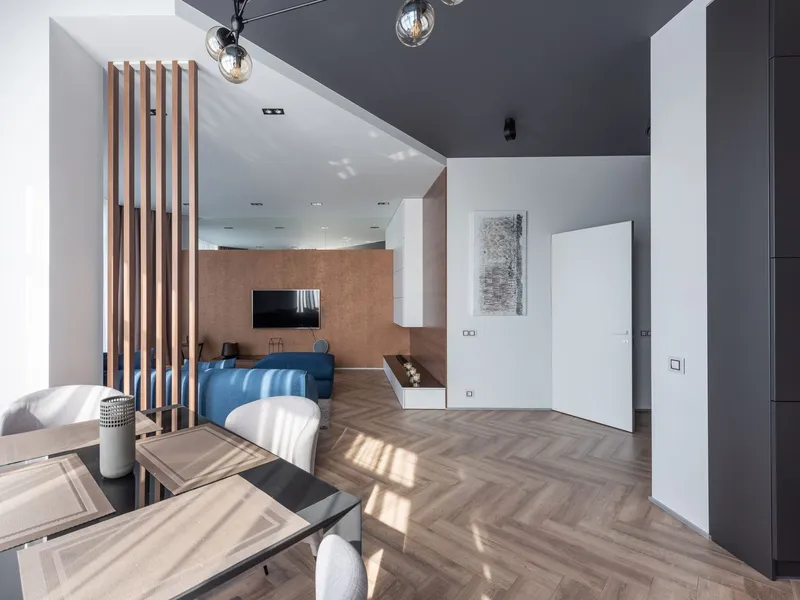 LaminateWood-look boards that click together. €27 to €107 a m² to buy.
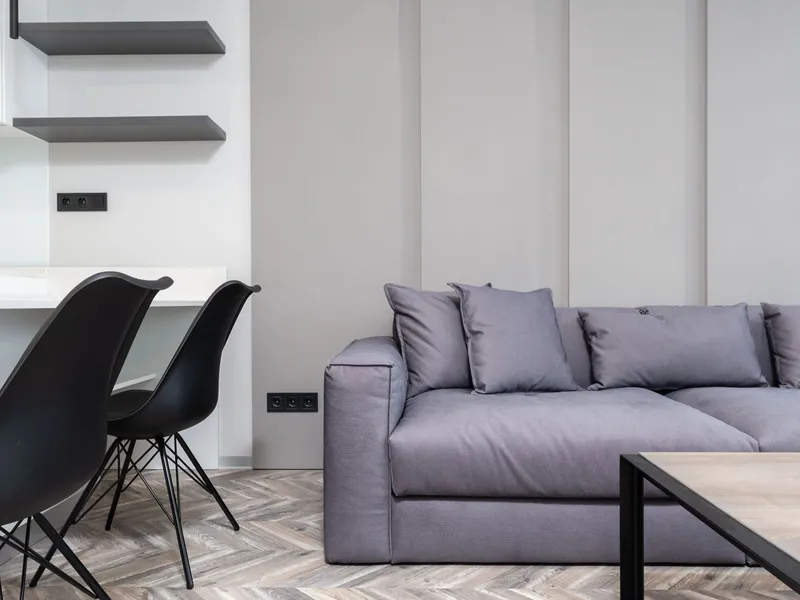 Vinyl and LVTClick vinyl in a herringbone. €48 to €67 a m² to buy.
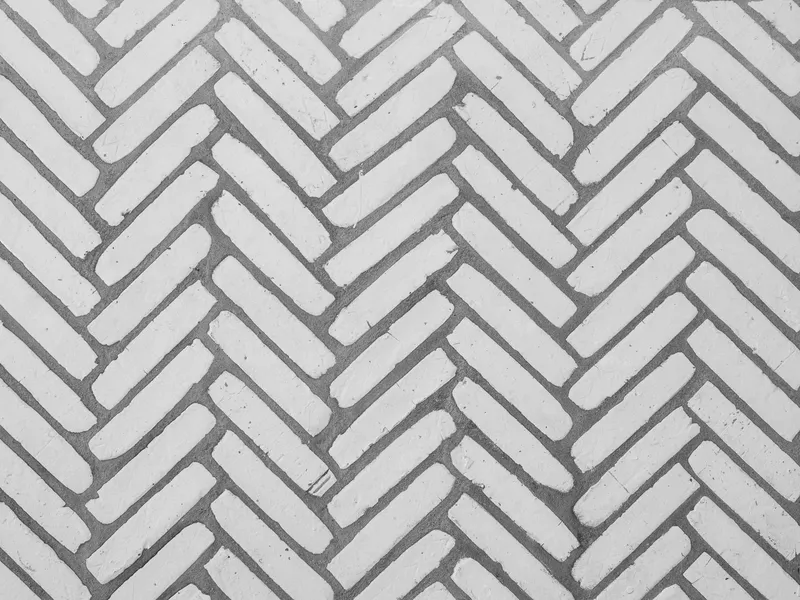 TilesPorcelain laid in a zigzag. €18 to €50 a m² to buy.
Questions before you buy
What is herringbone flooring?
Herringbone is a pattern of rectangular blocks with straight ends, laid in a staggered zigzag. Each block sits at a right angle to its neighbour, and together they make a run of V shapes across the floor.
Why is it called herringbone?
The zigzag looks like the bones of a herring fish, a spine with ribs running off it at an angle.
Is herringbone the same as parquet?
Herringbone is one pattern within parquet. Parquet flooring.
Does herringbone make a room look bigger?
That depends on the room and the block size. A longer block stretches the pattern.
Is herringbone harder to lay?
Yes. It takes two to four days for 30 m² and costs €25 to €40 a m² more to fit than plank.
Everything on this site
Floors by material
Costs and fitting
The pattern and where it goes
See the price before anyone rings
Pick the floor, how big it is and where you live. When you want a firm price, it goes to a single floor fitter in your county.