
Herringbone block sizes
The usual herringbone blocks are 70 × 280 mm and 90 × 360 mm, in the ratio of one to four. Engineered blocks are 15 to 20 mm thick and solid ones 20 to 22 mm. Laminate, vinyl and tile come in their own sizes, from 330 × 80 mm to 900 × 150 mm.
The usual sizes in every material, how thick each is and how packs are sold.
Free and no obligation. Your request goes to one fitter in your county, not a list.
- 70 × 280 mma usual domestic block
- 90 × 360 mmthe larger domestic block
- 15–22 mmblock thickness, engineered to solid
- 0.81–2.25 m²pack coverage seen

Wood blocks
Engineered blocks are 15 to 20 mm thick and solid blocks 20 to 22 mm. A thinner solid block, about 10 mm, is also sold.
Price your herringbone floor
Three taps and the price shows as you go. Your name and number come last, and only if you want a fitter to price it.
Engineered wood herringbone, 20 to 40 m², supplied and fitted: €1,900 to €5,200.
How the price is worked out
The figure is what Irish sellers and fitters charge a square metre, times the area you pick. Engineered wood is the supplied-and-fitted range. Laminate and vinyl add fitting at plank rates, so herringbone adds to them. Tile is the tile only. Where nobody publishes a figure, it reads priced on a visit. Use it to plan with. It isn't a quote: a fitter prices yours after seeing the floor.
Laminate, vinyl and tile
Choosing a block size
A longer, narrower block draws the eye along the zigzag. A shorter one makes the pattern bolder. In a small room a smaller block keeps the pattern in proportion, and in a large room a bigger one keeps it from looking busy. Put the sample on the floor and step back to judge it.
Whatever the size, order 10 to 20% more than the floor area for herringbone, against 5 to 10% for straight planks. every piece at the walls is cut at an angle, and the off-cuts are triangles.
Packs and pricing
Sellers price by the m² and sell by the pack. Packs run from 0.81 m² for a small box of engineered blocks to over 2 m² for vinyl and wood. Divide the area you need, with the extra for cuts, by the pack cover, and round up to a whole pack.
Other floors to look at
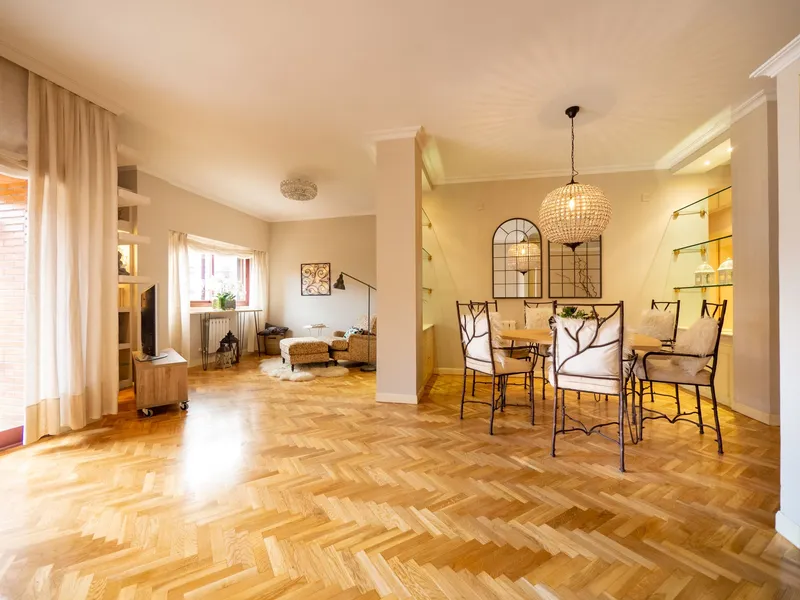 Engineered woodA real oak top layer on a stable core. Supplied and fitted, €95 to €130 a m².
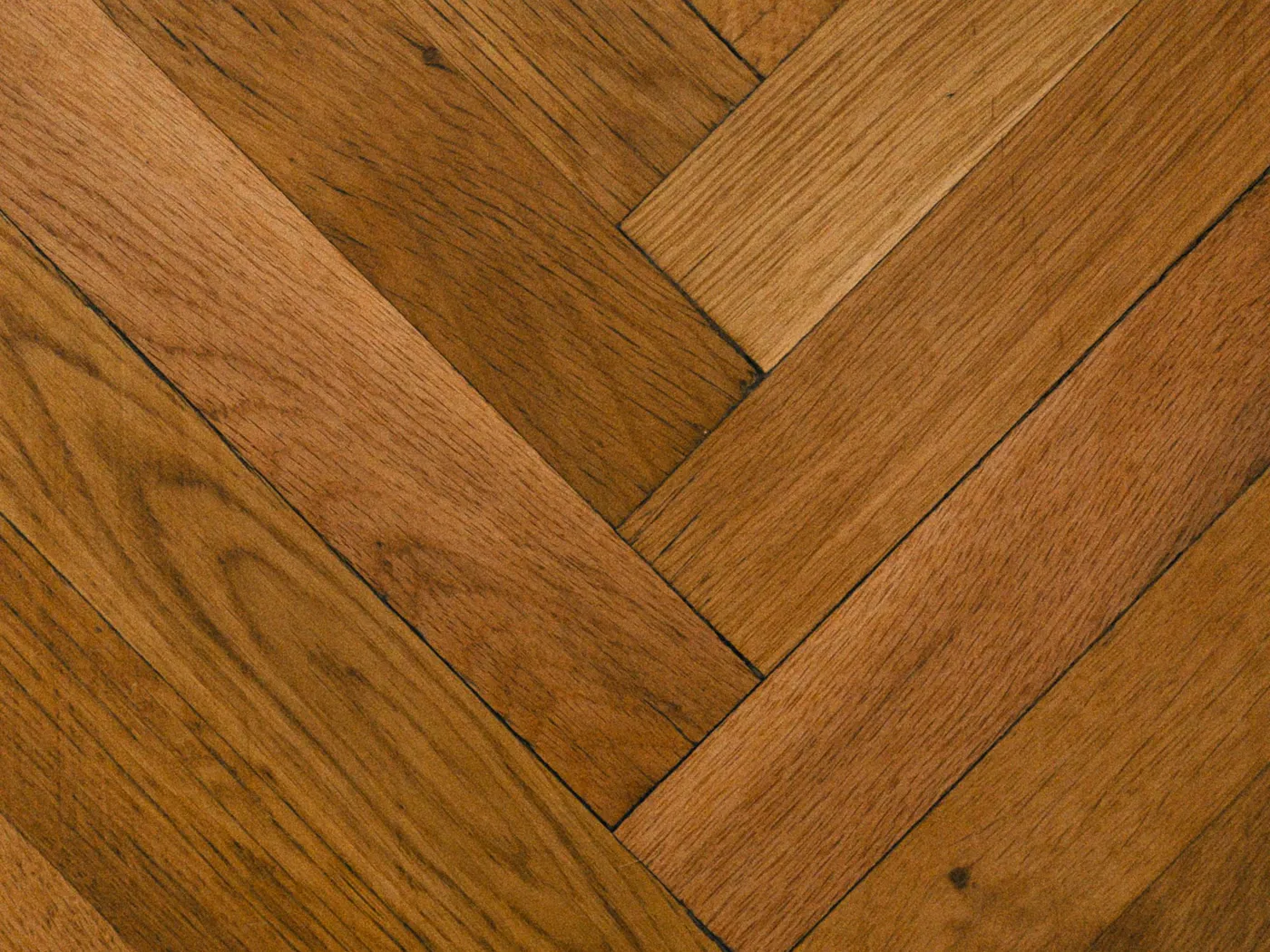 Oak herringboneSolid oak blocks, €39 to €168 a m² unfinished before fitting.
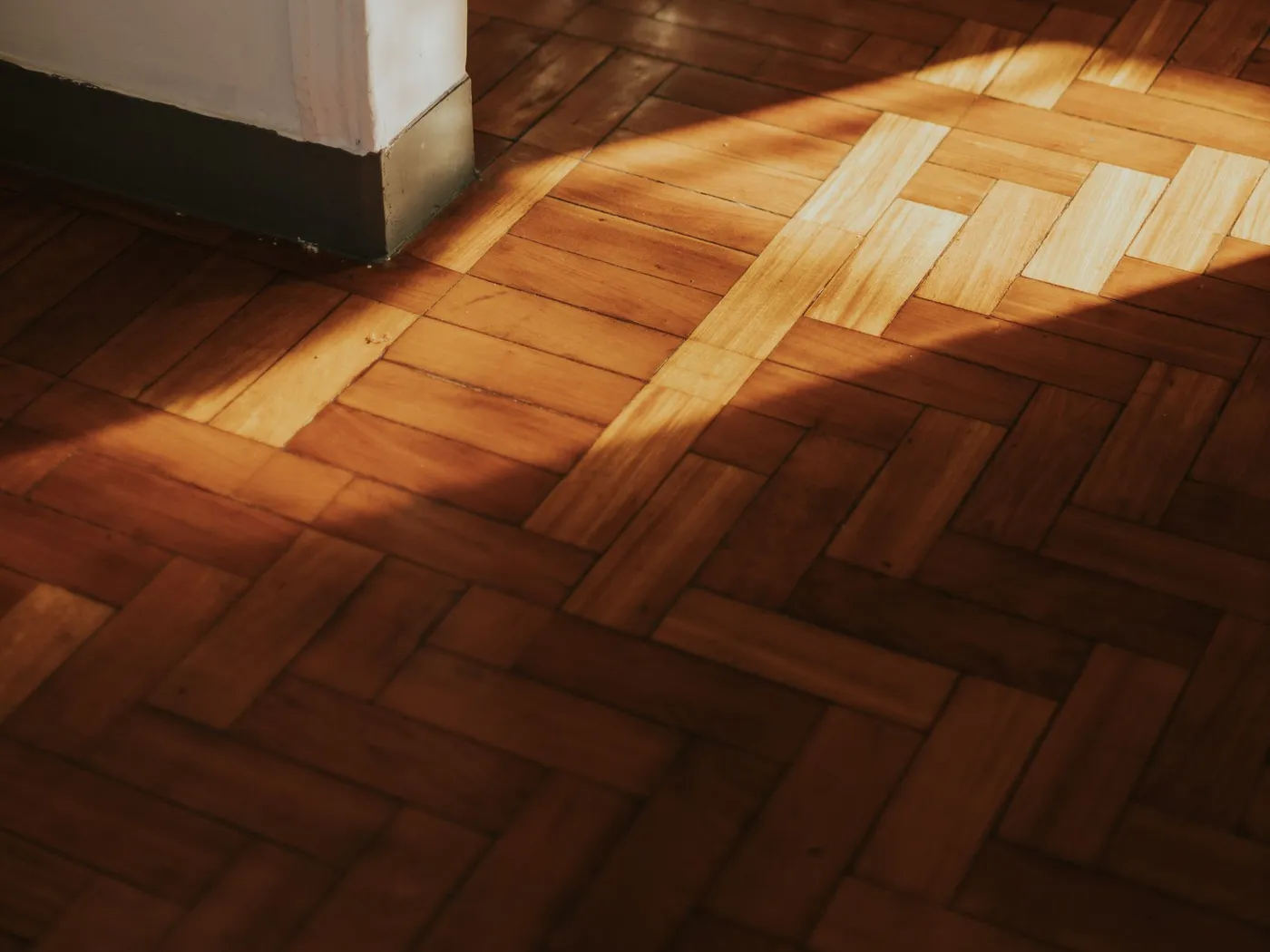 ParquetBlocks laid in a pattern, sanded and finished on site. Herringbone is the one people ask for.
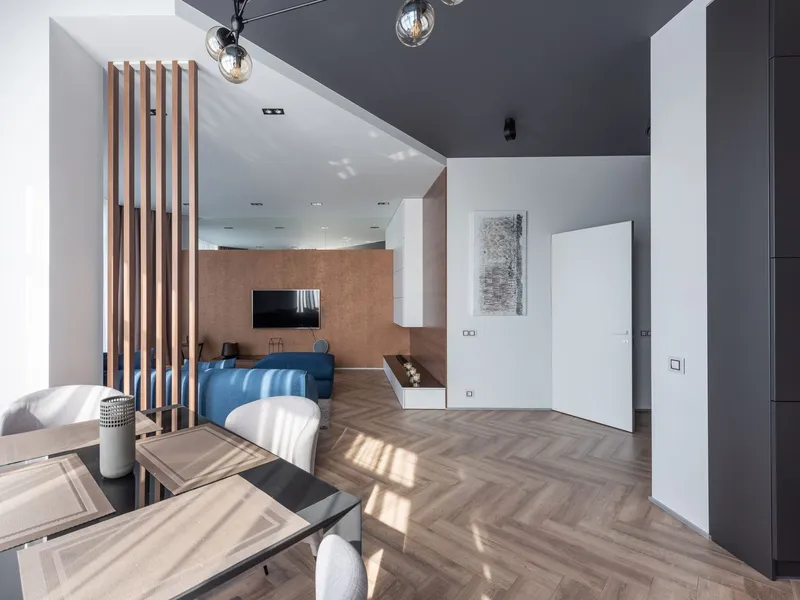 LaminateWood-look boards that click together. €27 to €107 a m² to buy.
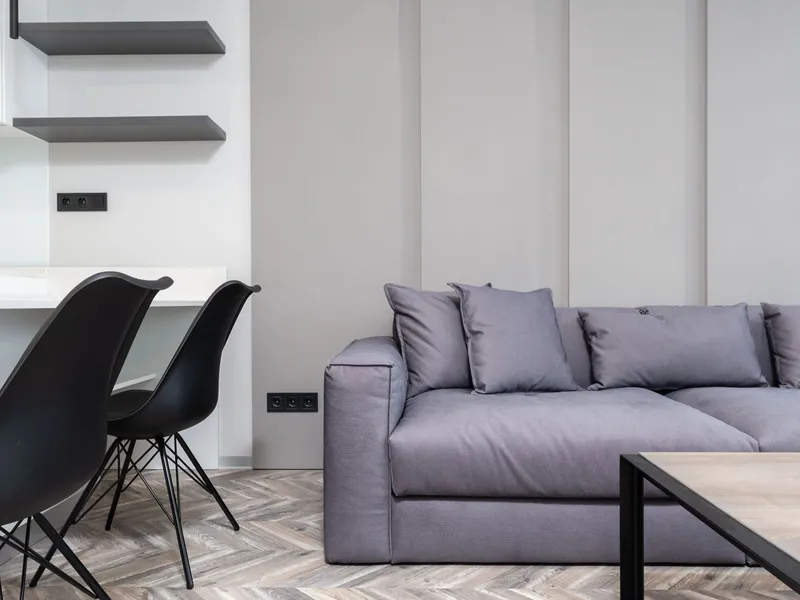 Vinyl and LVTClick vinyl in a herringbone. €48 to €67 a m² to buy.
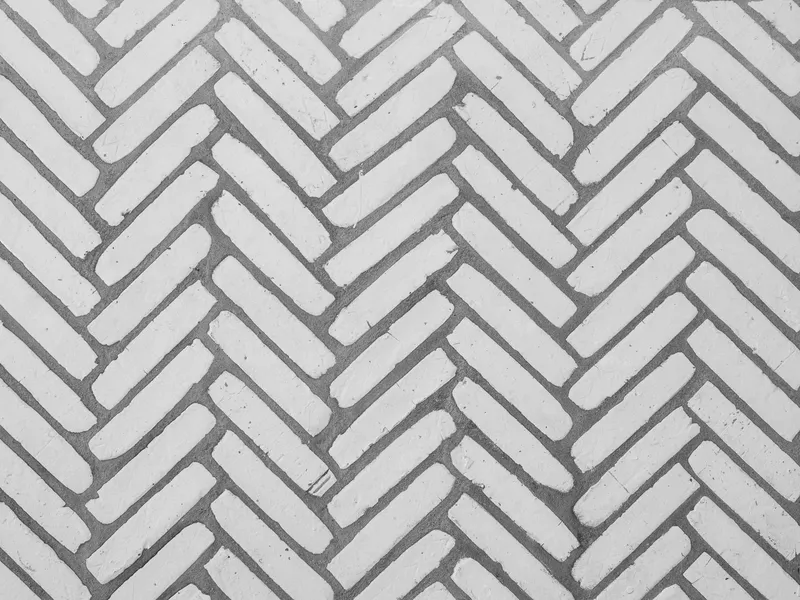 TilesPorcelain laid in a zigzag. €18 to €50 a m² to buy.
Questions before you buy
What size are herringbone blocks?
The usual herringbone blocks are 70 × 280 mm and 90 × 360 mm, in the ratio of one to four. Engineered blocks are 15 to 20 mm thick and solid ones 20 to 22 mm. Laminate, vinyl and tile come in their own sizes, from 330 × 80 mm to 900 × 150 mm.
What thickness should herringbone flooring be?
Engineered blocks are 15 to 20 mm and solid blocks 20 to 22 mm. Laminate runs 8 to 12 mm and vinyl 4.5 to 5 mm.
What is the most common herringbone block size?
70 × 280 mm and 90 × 360 mm are the usual domestic blocks.
How many m² are in a pack?
It depends on the product, from 0.81 m² to over 2 m². Check the pack.
Does block size change the price?
Prices are by m² and set by the material. Check the quote's area and block size.
Everything on this site
Floors by material
Costs and fitting
The pattern and where it goes
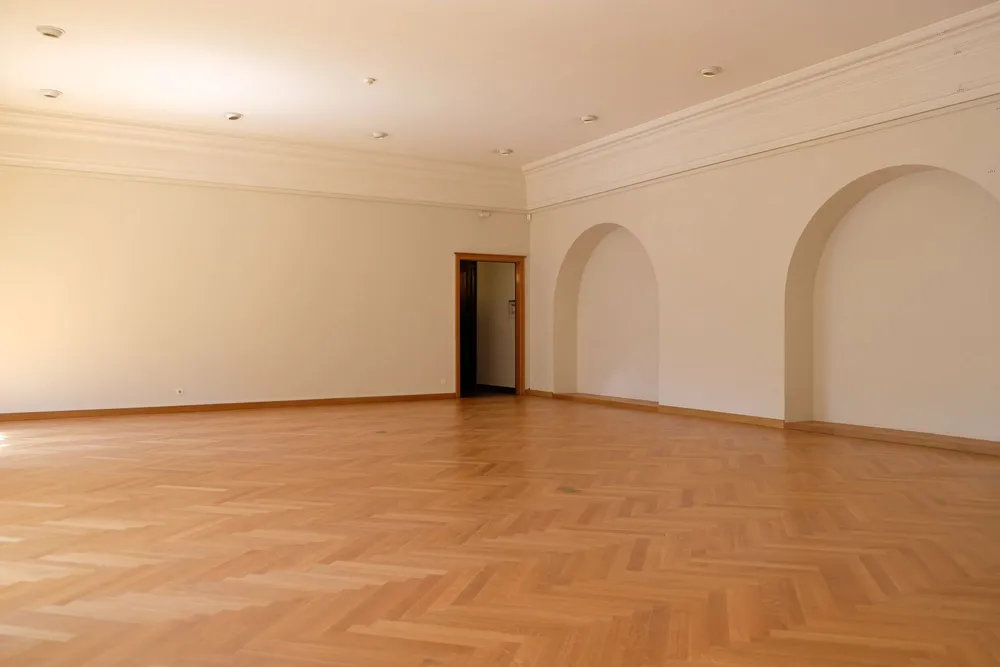
See the price before anyone rings
Pick the floor, how big it is and where you live. When you want a firm price, it goes to a single floor fitter in your county.